


How to Choose the Right Shampoo for Your Hair Type
The right shampoo can make a remarkable difference in how your hair looks and feels. Whether you're dealing with dryness, excess oil, frizz or dullness, choosing a formula that suits your hair type is an essential part of a healthy hair care routine.
However, not every shampoo works for everyone. A product that leaves one person's hair soft and shiny may make another person's hair feel dry, heavy or difficult to manage.
So how do you find the best shampoo for your hair type? Let's explore the most important things to consider when choosing and using shampoo.

1. Understand Your Hair Type and Scalp Condition
Before buying shampoo, take a moment to understand what your hair actually needs. Hair texture, scalp condition and previous chemical treatments all influence which products may work best.
Dry hair: Look for gentle, moisturizing shampoos that cleanse without leaving strands feeling rough or excessively stripped.
Oily scalp: Choose a shampoo that effectively removes excess sebum and product buildup without causing unnecessary irritation.
Fine hair: Lightweight cleansing formulas can help maintain volume without leaving hair feeling heavy.
Curly or frizzy hair: Conditioning shampoos can help improve softness, reduce tangling and make curls easier to manage.
Color-treated or keratin-treated hair: Gentle shampoos specifically formulated for chemically treated hair are often a suitable choice.
If you're dealing with persistent dandruff, itching or scalp irritation, consider a targeted scalp treatment and consult a dermatologist when necessary.
2. Read the Shampoo Label, Not Just the Marketing
Beautiful packaging and impressive advertising don't necessarily mean that a shampoo is right for your hair.
Pay attention to the product description, intended hair type and cleansing properties. A shampoo designed for deep cleansing serves a different purpose from one formulated for everyday moisturizing or keratin aftercare.
For example, a clarifying shampoo is designed to remove accumulated styling products, excess oils and other residues.
While this can be helpful when deeper cleansing is needed, frequent use of a strong clarifying formula may leave some hair types feeling dry.
On the other hand, a gentle anti-frizz shampoo may be more appropriate for regular maintenance, particularly after a Brazilian keratin treatment.
3. How Much Shampoo Should You Use?
Using more shampoo doesn't necessarily make your hair cleaner. The amount you need depends on your hair length, density, scalp condition and the formula.
Start with a small amount and add more only if needed. Focus on cleansing the scalp, where oils, sweat and styling residues tend to accumulate.
If your hair is very thick or long, you may need a little more product to distribute it evenly.
Using excessive shampoo can make rinsing more difficult and may contribute to dryness, particularly when using a strong cleansing formula.
4. Apply Shampoo the Right Way
Proper shampoo application is just as important as choosing the right product.
First, wet your hair thoroughly with lukewarm water. Apply shampoo primarily to the scalp and gently massage with your fingertips.
Avoid aggressive scratching or unnecessary friction, which can irritate the scalp and contribute to tangling.
As you rinse, allow the lather to flow through the lengths of your hair. In most cases, there is no need to vigorously scrub the ends, especially if they are dry or chemically treated.
Follow with conditioner, focusing on the mid-lengths and ends to improve softness, detangling and manageability.
5. How Often Should You Wash Your Hair?
There is no universal rule that everyone should wash their hair exactly two or three times a week.
The ideal washing frequency depends on your scalp's oil production, hair texture, lifestyle and styling habits.
People with oily scalps may benefit from more frequent washing, while those with dry, curly or textured hair may prefer longer intervals.
Washing daily is not automatically harmful when you use an appropriate shampoo and your scalp tolerates it.
The best approach is to cleanse your hair whenever needed while maintaining a comfortable, balanced scalp.

6. Sulfates and Silicones: What Should You Know?
Sulfates and silicones are frequently discussed in the hair care industry, but they are not automatically harmful ingredients.
Sulfates are cleansing agents that help remove dirt, sebum and product residues. They are effective in many shampoo formulations, although stronger cleansers may feel drying on certain hair types.
For people with dry, sensitive or keratin-treated hair, a suitable sulfate-free shampoo may provide a gentler cleansing experience.
Silicones are often used in conditioning products to improve slip, reduce friction and create a smoother, shinier appearance.
Some silicone-containing products can build up over time, depending on the formulation and cleansing routine. However, silicones themselves are not inherently damaging.
Instead of avoiding entire ingredient categories, focus on how a complete formula performs on your hair.
7. How to Choose a Shampoo After Keratin Treatment
If you've recently had a Brazilian keratin treatment, choosing the right aftercare shampoo is especially important.
A gentle shampoo and conditioner can help maintain softness, shine and the smooth appearance of your hair between treatments.
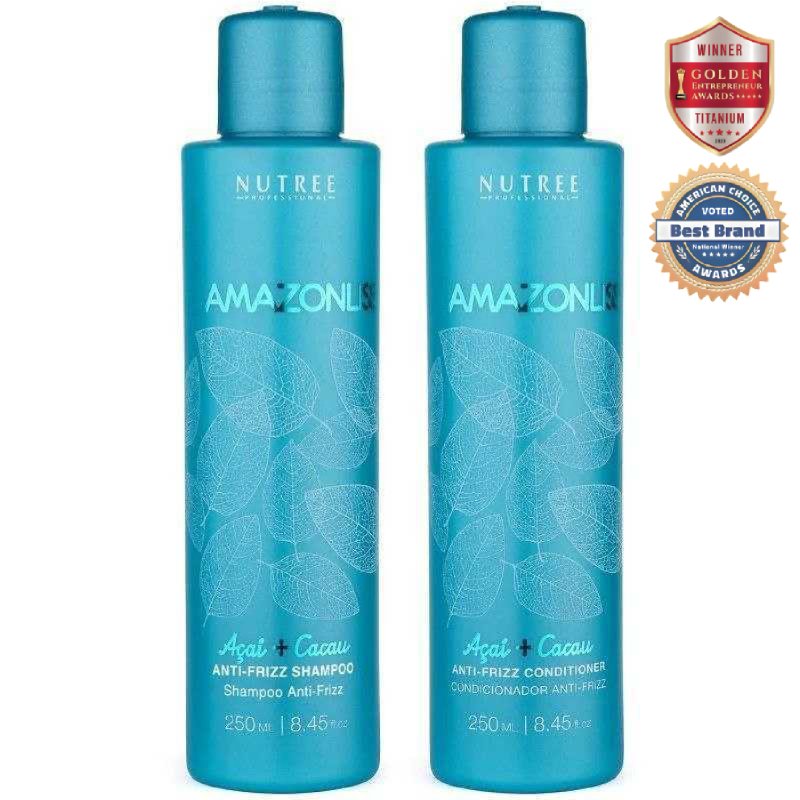
Nutree Professional Amazonliss Anti Frizz Shampoo & Conditioner is specifically developed for smoothing-treatment aftercare.
The sulfate-free formula combines acai and cocoa extracts with conditioning ingredients to help reduce frizz, improve manageability and maintain smooth-looking hair.
Discover Nutree Professional Hair Care
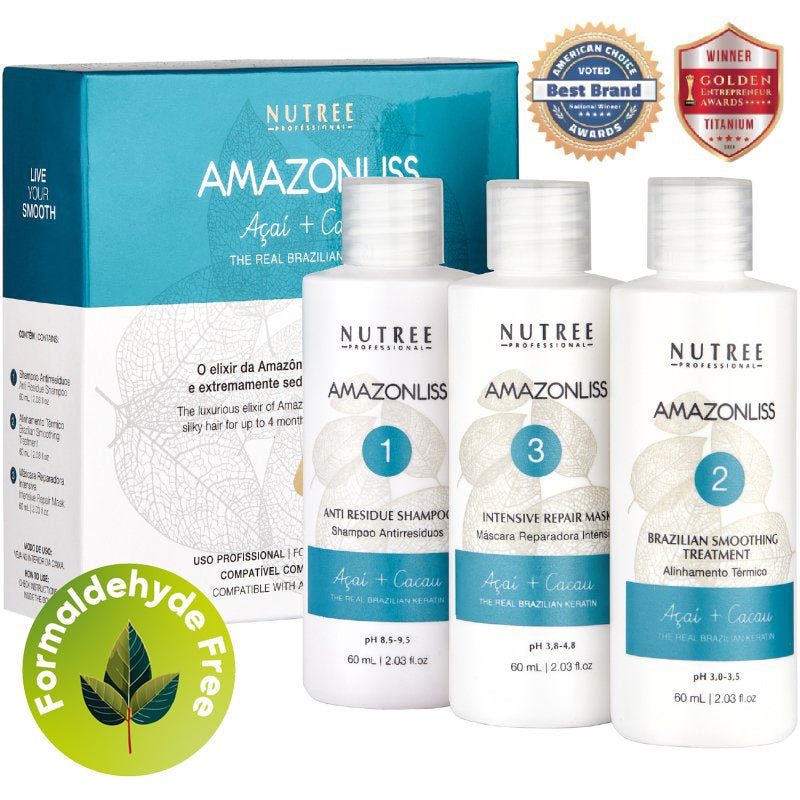
Explore the difference between gentle daily hair care and professional pre-treatment cleansing.
8. Don't Forget Conditioner and Regular Hair Care
Shampoo is an essential part of your routine, but cleansing alone is not always enough to keep hair looking its best.
A suitable conditioner can improve softness, reduce tangling and make hair easier to style.
If your hair is particularly dry or chemically processed, consider adding an appropriate conditioning mask when needed.
Regular trims can also improve the appearance of damaged ends, although trimming does not change the underlying health of new hair growth.
Combining the right shampoo, conditioner and gentle styling practices can help maintain beautiful, manageable hair.
Final Thoughts: The Best Shampoo Is the One That Suits Your Hair
Choosing the right shampoo doesn't have to be complicated. Start by understanding your scalp condition, hair texture and specific hair care goals.
Pay attention to how your hair responds to a product, use the appropriate amount and choose a washing routine that feels comfortable for you.
For people with keratin-treated or frizz-prone hair, Nutree Professional Amazonliss Anti Frizz Shampoo & Conditioner offers a convenient way to maintain smoothness and everyday manageability.
With thoughtful hair care and the right products, beautiful, shiny hair can become part of your everyday routine.
Find Your Perfect Hair Care Routine
Discover Nutree Professional home care products for smooth, shiny and manageable hair.
EXPLORE NUTREE HOME CARE →


